
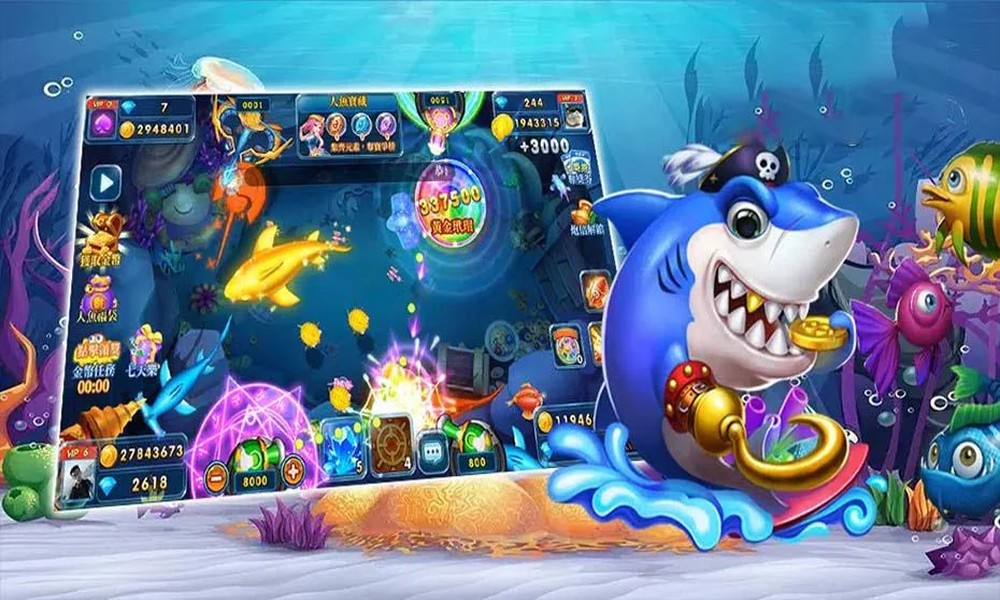
Free play and paid modes share the same visual bắn cá online đổi thưởng environment, the same fish types, and the same shooting mechanics. The cannon fires, the targets move, and the screen behaves identically across both. What differs sits beneath that surface in how points are generated, what rewards are accessible, and what the session actually builds toward at the end of each round. These differences, before choosing a mode, consistently produce a more informed session decision than selecting based on surface appearance alone.
Six key differences
1. Point conversion access
Paid mode sessions generate points that convert into redeemable rewards through the platform’s exchange system. Free play generates points that exist within the session interface but carry no conversion pathway at the end of the round. The numbers accumulate in both modes, but only one produces a result that extends beyond the session screen itself.
2. Target behaviour and difficulty
The fish populations in paid mode reflect the full target hierarchy, including rare high-value fish, event-specific targets, and boss creatures. Players in free play environments are often exposed to a simplified target distribution that gives them an idea of the game’s mechanics. For players moving from free to paid mode for the first time, there can be noticeable differences in fish populations that require adjustments before their session performance is comparable.
3. Special weapon availability
Paid sessions unlock the full range of special weapon options available within the platform’s weapon inventory. Free play typically provides a limited selection of standard weapons that demonstrate core mechanics without exposing the complete arsenal. Players who develop session habits around the weapons available in free play may find that paid mode introduces options they have not yet learned to use effectively, which adds a secondary adjustment period beyond the target population difference.
4. Mission and reward eligibility
Daily missions, weekly challenges, and cumulative achievement rewards apply to paid mode sessions exclusively on most platforms. Free play activity does not contribute to mission completion counters, loyalty point accumulation, or streak tracking, regardless of how long the free session runs or what the player achieves within it. The mission and reward infrastructure that extends session value across consecutive days of participation does not activate outside paid mode.
5. Multiplayer room access
Multiplayer rooms are available in paid mode, where several players compete concurrently for targets. Most free play sessions are single-player simulations of fish shooting games without the competitive dynamics of multiplayer rooms. In paid multiplayer sessions, skilled players use shot interference, target competition, and strategic positioning that differ from free play.
6. Session continuity and history
Results from paid sessions contribute to leaderboard positions, loyalty program tier progression, and any cumulative tracking the platform uses to assign participant benefits over time. Paid sessions build ongoing participation profiles across extended engagement with the platform, whereas free play activity does not generate any account record beyond the immediate session display.
Free play serves as a functional introduction to mechanics, controls, and visual patterns that paid sessions then apply within a fully operational reward structure. The six differences above explain why the two modes feel similar on the surface while producing fundamentally different participation experiences beneath them. Players who use free play as a mechanics foundation before transitioning to paid sessions are better positioned for that transition than those who move between the two without recognising what changes when the mode shifts.