
Defining classic slot games
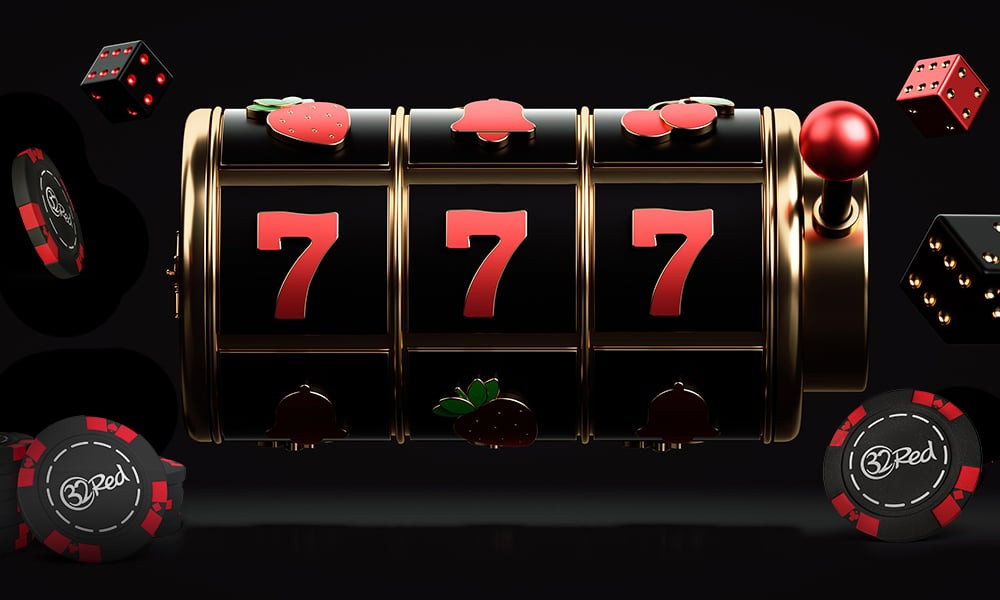
Classic slot games are built around a three-reel structure with a limited number of paylines, typically ranging from one to five. Symbol sets in these configurations draw from a narrow range of icons established during the mechanical era of reel gaming. These icons include bars, sevens, and fruit symbols. Playing online pokies PNG of classic games emulates this restrained construction deliberately, preserving the direct mechanics of early reel games.
Bonus features are either absent or minimal, while gameplay is focused on base reel results rather than supplementary mechanics. There are fewer possible combinations and fewer symbols in classic games, so paytables are shorter. This structural simplicity produces a session rhythm that differs markedly from modern games. There are fewer variables at play within each spin. The absence of layered mechanics means outcomes are delivered without additional sequences.
How do modern games differ?
Modern reel games expand on the classic structure across nearly every design dimension. Reel counts extend beyond three, with five-reel configurations the standard and some games incorporating six or more. Payline structures have diversified considerably, with fixed lines, ways-to-win systems, and cluster pay mechanics replacing the straightforward line structures found in classic games.
Modern games feature wilds, scatters, bonuses, and standard symbols across a wider range of values. Symbol categories add layers of interaction not possible in classic games. Paytables grow in complexity to reflect this expanded symbol set, requiring more detailed review before a session begins.
Key structural differences
- Classic games use three reels and minimal paylines; modern games extend the reel count and diversify pay structures considerably.
- Modern games feature bonus features like free spins, pick-me rounds, and multipliers, but classic games don’t.
- Modern games often use expanding, sticky, or walking wild symbols, while classic games use standard substitution wild symbols.
- Modern games have multiple symbol categories with distinct mechanical roles; classic games have a flat symbol hierarchy with uniform functions.
- Visual and audio construction in modern games forms part of the thematic experience, whereas classic games prioritise functional simplicity over thematic layering.
What does each type offer?
The structural gap between classic and modern games produces two distinct session experiences that serve different preferences in game construction. Classic games deliver sessions governed entirely by base reel results. Each spin produces an outcome without supplementary sequences, bonus activations, or multi-stage mechanics intervening between the result and the next spin. The pace is consistent, and the prize structure is transparent from the outset.
Modern games introduce variability through their layered mechanics. A single session may move through base gameplay, trigger a free spin round with enhanced wild behaviour, and progress through a pick-me sequence before returning to standard reels. Each mechanical layer adds a distinct phase to the session, making the overall experience more varied in structure and less predictable in rhythm than classic play. Contrast is not in quality, but in construction. Classic games achieve their design goals through restraint and clarity. Modern games achieve their goal through mechanical depth and structural variety. Both approaches represent deliberate design positions within reel game development. Each occupies a defined space across the broader landscape of reel gaming available to players.